After high school, I joined Railway in Oslo, where I got to work with some of Norway’s largest companies and help shape products used by millions of people. More importantly, it taught me that good design is never just about surfaces. It is about understanding people, spotting leverage, and making things that hold up in the real world.
Over time, my role expanded from design into product, and from product into company building. I became increasingly drawn to the earlier stages, where the challenge is not just to make something work, but to figure out what should exist in the first place, why it matters, and how to give it a real chance.
That is still the work I enjoy most.
I’m especially interested in ideas that make life less confusing, less wasteful, and a little more humane.
That may sound idealistic. It is. But I also think it is practical. Products that genuinely help people tend to earn trust. And in the long run, trust usually compounds better than cleverness alone.
What excites me most is not taking someone else’s idea and turning it into polished sketches. It is helping shape a company from the inside, starting with a real understanding of the problem, defining the opportunity, and figuring out what kind of product, team, and business should exist around it.
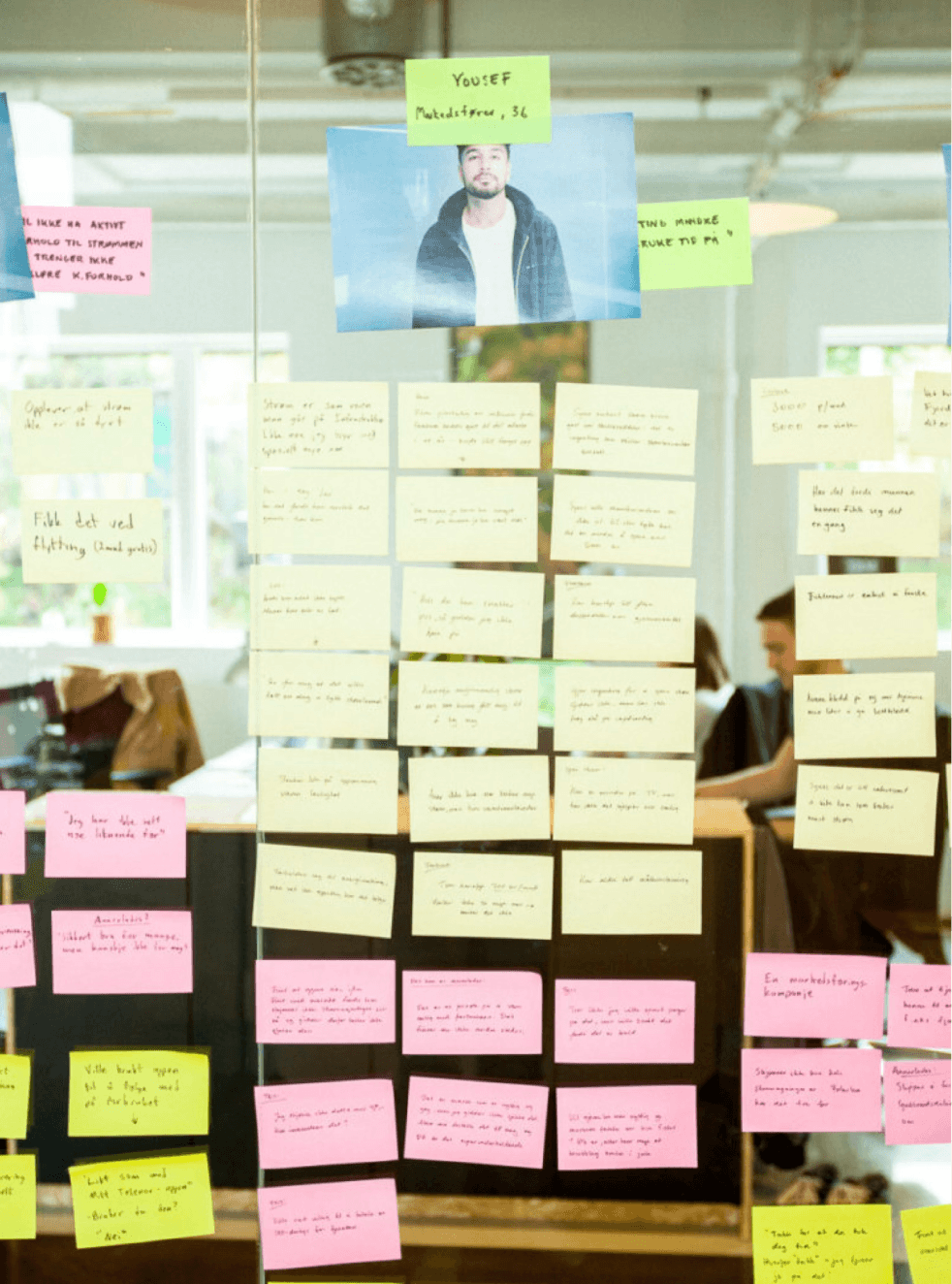
Over the years, I’ve usually been involved far beyond design, from early research and concept development to partner strategy, roadmap, team setup, launch, and the refinement that happens when an idea meets reality. What I know best is the path from insight to company, not just from idea to interface.
Over the years, I’ve had the chance to build with and learn from people across startups, new ventures, and established companies.
Through consulting, partnerships, and company building, I’ve worked with people from organizations such as Telia, Gjensidige, DNB, FINN, IKEA, OBOS, Elkjøp, Circle K, Orkla, and others.
Some of that work has been about improving existing products. Some of it has been about identifying the raw material for entirely new ones.
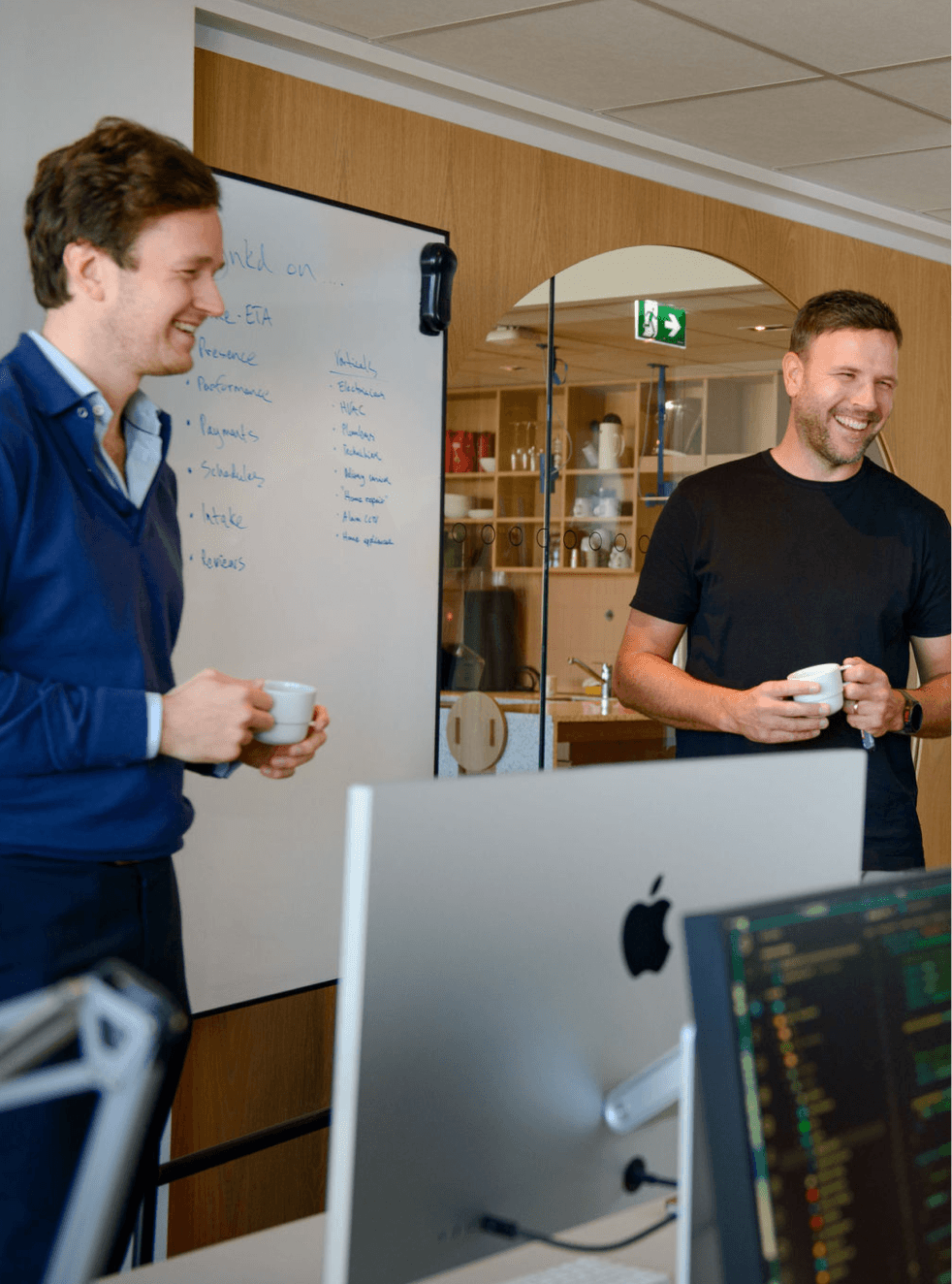
Right now, I’m working on Synkd, a live operations platform for people who make home visits.
Millions of service businesses still run their day through calls, texts, delays, guesswork, and tools that were never really built for the reality of field work. Synkd exists to make that world run better for the companies, for the workers, and for the people waiting at home.
These are the kinds of problems I’m most interested in, large and often overlooked categories where better systems can make everyday life work better for everyone involved.